
Storing outdoor toys over winter

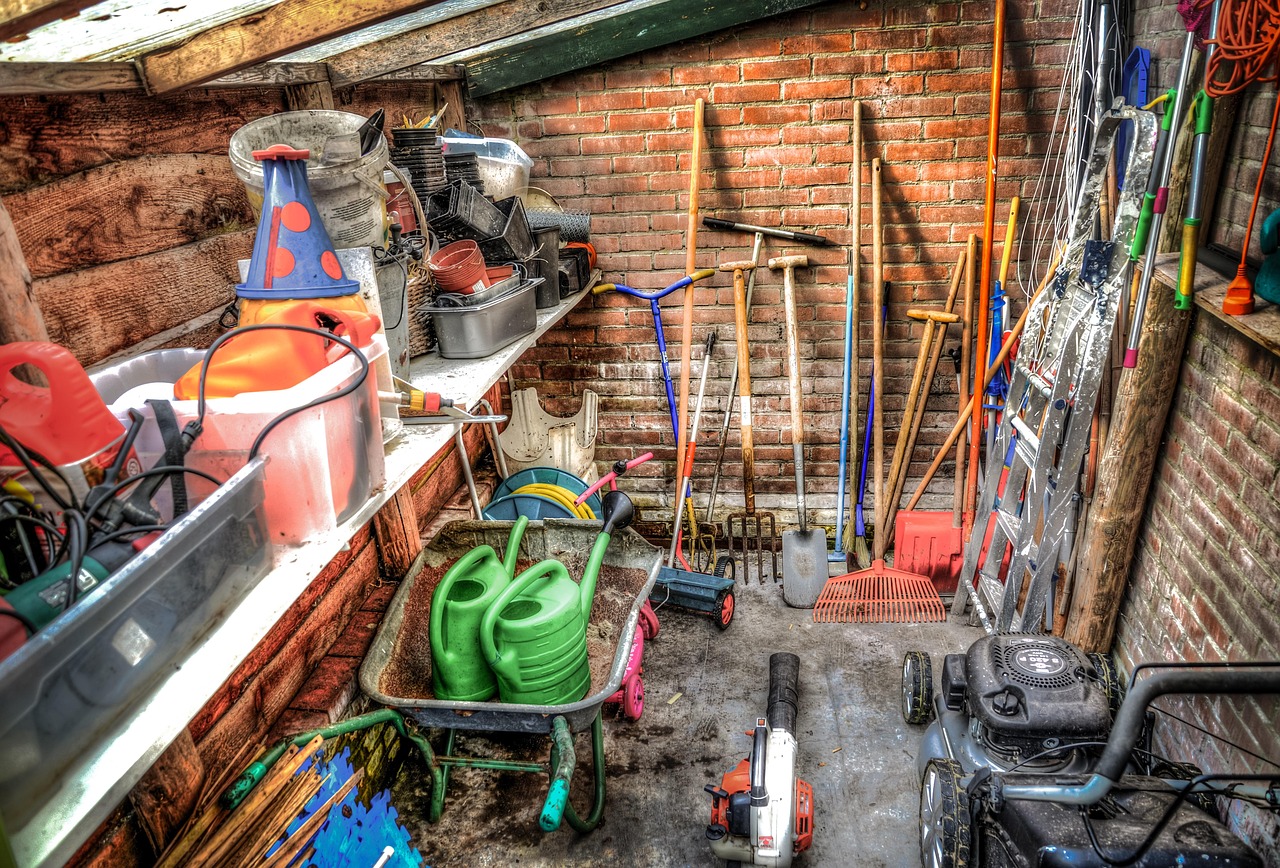
Storing outdoor toys over winter
Most outdoor toys are not destroyed by use. They are destroyed by nine months of sitting in a garden doing nothing, and specifically by two things: ultraviolet light and being packed away damp.
Sorting equipment into three groups at the end of a season deals with almost all of it.
Group one: must come indoors
Anything inflatable, anything with fabric, and anything with electronics. PVC becomes brittle in cold and mildews if damp, fabric rots, and battery compartments corrode.
These are also the items that pack smallest, so this is the easy group.
Group two: can stay out, covered
Moulded plastic slides, water tables, and sturdy frames. These tolerate weather but degrade in sunlight, and a cover both protects them and keeps water out of the parts that hold it.
A cover that traps moisture is worse than none — it needs to breathe or to be lifted periodically.
Group three: stays out, needs checking
Trampolines and permanent frames. These usually stay assembled, and what they need is the netting removed or checked, the pads inspected, and anchoring verified before the first storm.
The netting is the component that fails first and it is the cheapest to replace.
Dry before you fold
This is the single most important step for anything inflatable or fabric. Fully dry means dry inside the seams and around valves, which takes considerably longer than the surface suggests.
Partly inflated items dry far faster than folded ones. Leave it a day longer than seems necessary.
Clean before storing
Sun cream, leaf tannin and pond residue all stain PVC permanently over a winter. A rinse and a wipe with mild soap before drying prevents almost all of it.
Avoid solvent cleaners on inflatables; they attack the surface.
Fold loosely, store off the floor
Tight folds crease PVC and creases become splits. Loose folds in a large box, stored off a concrete floor, is the arrangement that survives.
Concrete wicks moisture, which is why a pallet or a shelf matters more than it sounds.
Sand and water tables
Empty completely, including the drain plugs, and store upside down or covered. Water left in a table will freeze and can split the moulding.
Sand should be bagged rather than left in the table over winter.
Anything with a pump or motor
Remove batteries. Run a pump dry for a few seconds to clear water. Store the unit indoors regardless of what the main item does.
Corroded contacts are the most common reason a pump does not work in spring.
Metalwork and fixings
Goal frames, hoop poles and trampoline springs all benefit from a check for rust at the end of a season. Surface rust wipes off and treats easily; rust left for two winters does not.
Keep spare fixings somewhere findable, because they are what goes missing.
Label and photograph
Anything disassembled should be photographed assembled before it comes apart, and its fixings bagged and taped to a component. Six months later this is the difference between an hour and an afternoon.
It sounds fussy and it is the advice people most often say they wish they had taken.
Spring check before first use
Inflate and inspect before the first hot weekend rather than on it. Punctures, perished seams and missing fixings are all much easier to deal with a fortnight early.
Most patch kits are in the box they came in, which is the other thing to find.
Where to look
Replacement covers, pads and accessories sit with the equipment on trampolines, slides and ride-ons and water play and splash pads.
There is more on siting in setting up a small yard for play; the shop takes orders at any hour and the number is on the contact page.
Deciding what not to keep
The end of a season is the honest moment to look at what was actually used. Equipment that came out twice in three months will come out twice next year, and storing it costs space that the things being used every week could have. Passing it on while it is still in good condition is worth considerably more to somebody else than another winter in a shed is worth to you.
Inflatables in particular have a limited life regardless of care, and one that is already patched twice is unlikely to survive another summer. Being realistic about that at the point of packing away — rather than at the point of inflating it on a hot Saturday when everybody is waiting — turns a disappointment into a purchase you can plan.
Where things are stored matters as much as how
A garage and a shed sound equivalent and are not. Sheds swing through wide temperature ranges and condense moisture on everything inside them overnight, which is precisely the condition that ruins PVC and fabric. A garage attached to a heated building is far more stable, and indoors under a bed is better still for anything that folds small.
Where a shed is the only option, get everything off the floor and leave air around it. A pallet, a shelf or even a couple of battens makes a real difference, because the concrete floor is where the moisture comes from and contact with it is what turns a dry item damp over a winter.